
Everglades National Park is the 8th largest national park in the United States and 3rd largest national park outside of Alaska behind Yellowstone and Death Valley. Its 1.5 million acres protect much of the South Florida wetlands and coastal marsh. Everglades is a great park to visit with families; it’s easily walkable and wildlife abounds.
US NATIONAL PARKS – Read all national park guides
Where is Everglades National Park and how to get there?
Everglades National Park is located in Southwest Florida, right below Miami. The park covers over 1.5 million acres of wetlands, parts of the Florida Bay and of the Gulf of Mexico.
The easiest way to get to Everglades National Park is from Miami, FL. It is a one-hour drive from Miami to the south entrance of the park, right outside of Florida City. Though a trolley circulates between Homestead, FL and the Everglades National Park, I still highly recommend getting a car as you can’t explore much of Everglades on foot. The Flamingo district of Everglades, for example, is located 38 miles down Main Park Rd.
Everglades National Park is also a great stop on a South Florida national parks road trip.
When to visit?
Everglades National Park is a great place to visit year round. Winters are mild and feature much lower crowds while spring, fall, and summer are more or less warm and humid. I recommend visiting in the spring or winter to avoid hurricane season. Florida hurricanes threaten the state from June to November and can be quite violent, bringing in strong headwinds. Humidity levels are also much higher during that time of year, which is very unpleasant.
See also: 15 Best National Parks to Visit in the Winter
How long to stay?
Though Everglades National Park covers an overwhelming acreage of South Florida, you can easily hit the highlights in a day or two. With one day, you can stop at all the roadside pullouts and walk a short distance to admire wildlife. With two days, you can tack on a paddling or canoeing tour through the Florida Everglades.
How much does it cost?
Everglades National Park has an entrance fee of $30 per vehicle, $25 per motorcycle, and $15 per pedestrian, cyclist, or paddle craft. However, if you plan on visiting more than two national parks in the next 12 months, I highly encourage you to get an America the Beautiful Pass or National Park Pass. This pass costs only $80 per year and is valid until the end of the 12th month. For example, if you purchase a pass on May 1st of 2024, it will be valid until May 31st 2025.
This pass also allows you to visit all sites managed by the National Park Service such as national historic sites, monuments, preserves… Certain state parks such as Sedona’s Red Rock State Park even allow you to use your national park pass in place of their state park pass. It is seriously one of the best travel deals out there. We purchase a national park pass every single year and have visited almost a dozen state and national parks with it this past year.
Other passes exist for seniors, military members, those with a disability, and more. For more information on Interagency passes and where to purchase them, click here.
Where to stay?
There is no lodging in the park, but there are two campgrounds: Long Pine Key Campground and Flamingo Campground. Certain camp sites require reservations part of the year while others are available on a first-come, first-served basis. Backcountry campsite within the Marjory Stoneman Douglas Wilderness always require permits. Click here for more information on camping in Everglades National Park.
Where to eat?
There is no restaurant within the boundaries of Everglades National Park. Only light snacks and drinks are sold at the four visitor centers. For this reason, I recommend packing your own food and drinks for your day in Everglades.
However, Everglades Gator Grill is a great place to stop and grab a bite to eat right outside of Everglades National Park. They offer alligator meat burgers and covered outdoor seating. Right down the road from Everglades Gator Grill is Robert is Here fruit stand. Robert sells locally-grown as well as exotic fruits and milkshakes.
What kind of wildlife will I see?
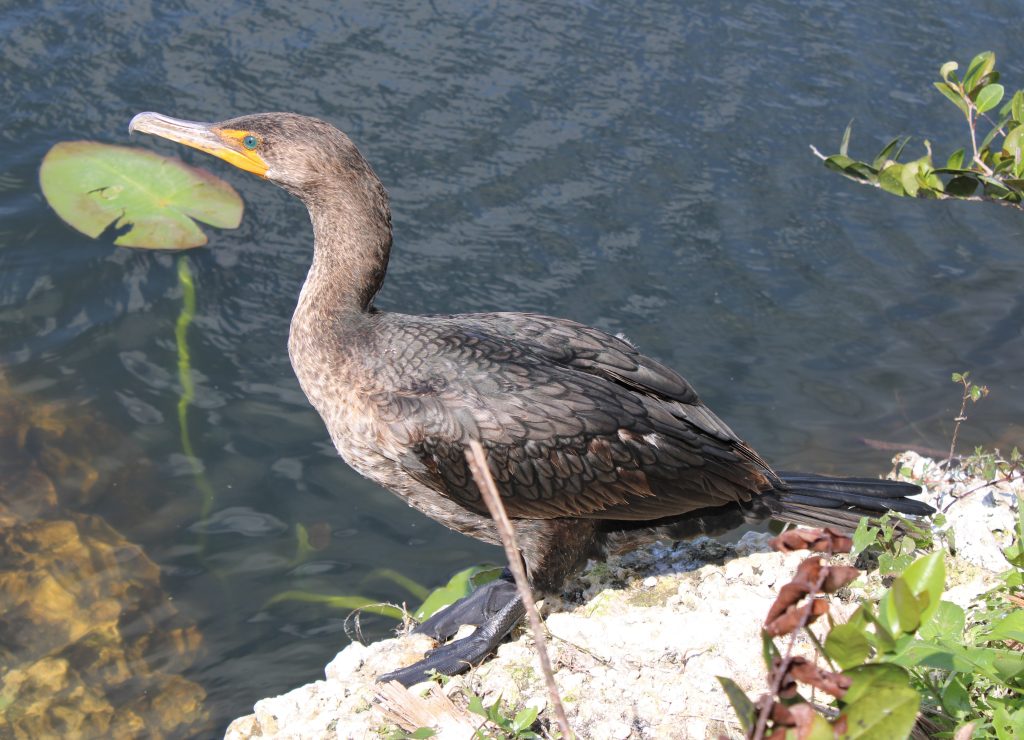
Everglades National Park abounds with wildlife. I expected to see alligators, but I did not expect to see so many birds up close. On the Anhinga Trail, we were just a few feet away from anhingas, herons and even got to see hawks nesting and manatees grazing on algae along a pontoon.
- Anhinga
- Alligators
- Herons
- Fish
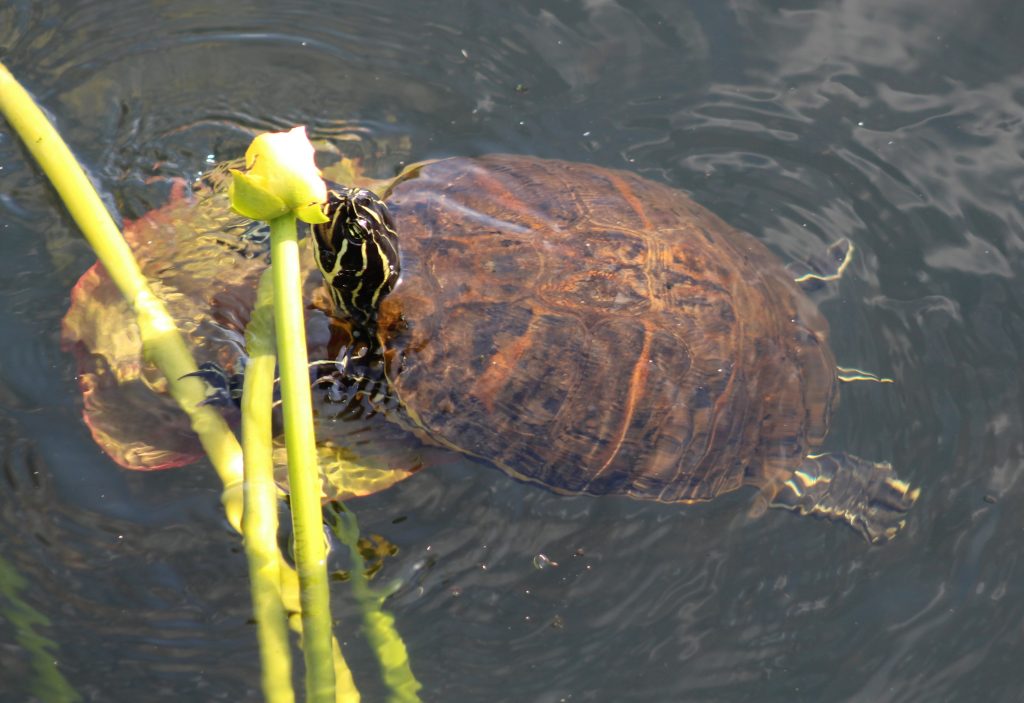
- Turtles
- Hawks
- Manatees
What to do?
If you want to make the best of your day in Everglades National Park, follow the itinerary below.
- Ernest F Coe Visitor Center
- Anhinga Trail
- Pinelands
- Pa-hay-okee Overlook
- Mahogany Hammock
- Coastal Marsh
- Flamingo
- Shark Valley Observation Tower
No time to read? Pin it for later!
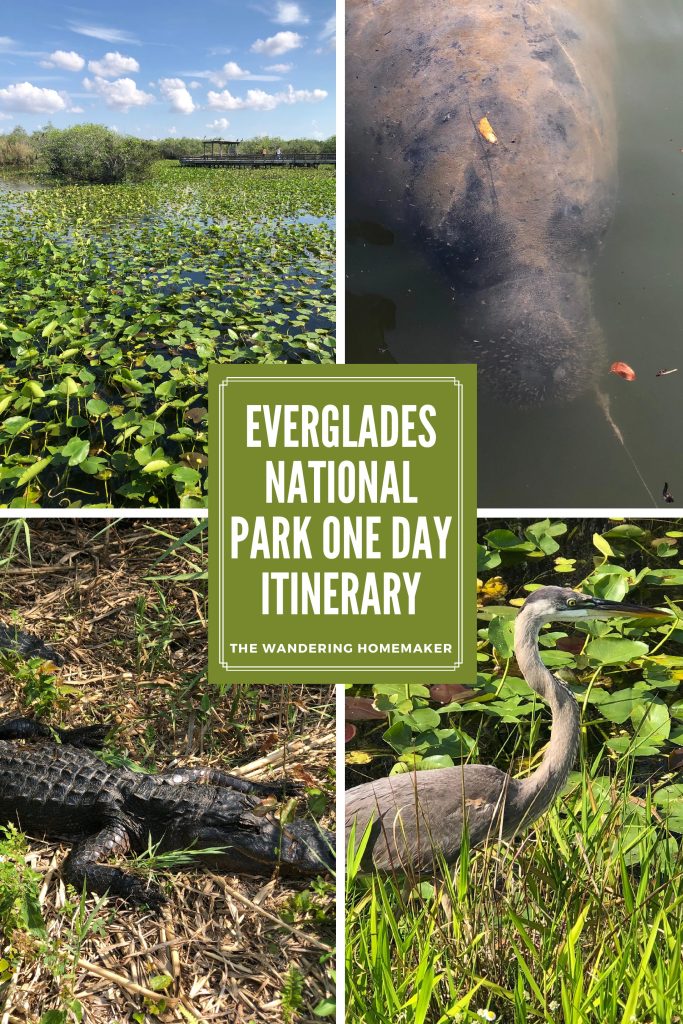
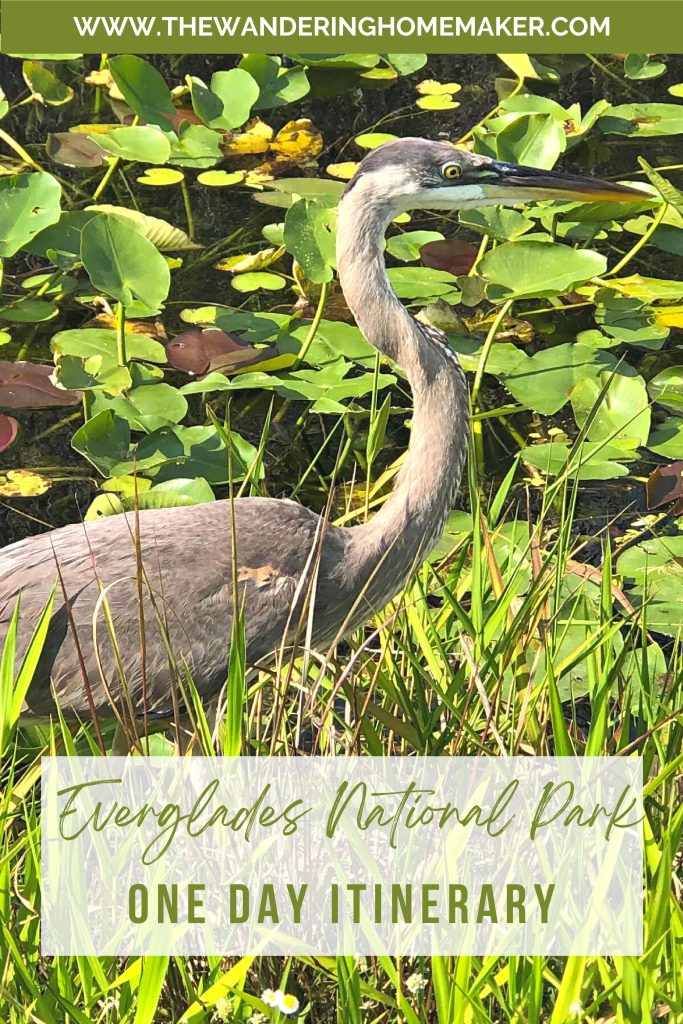
Ernest F. Coe Visitor Center
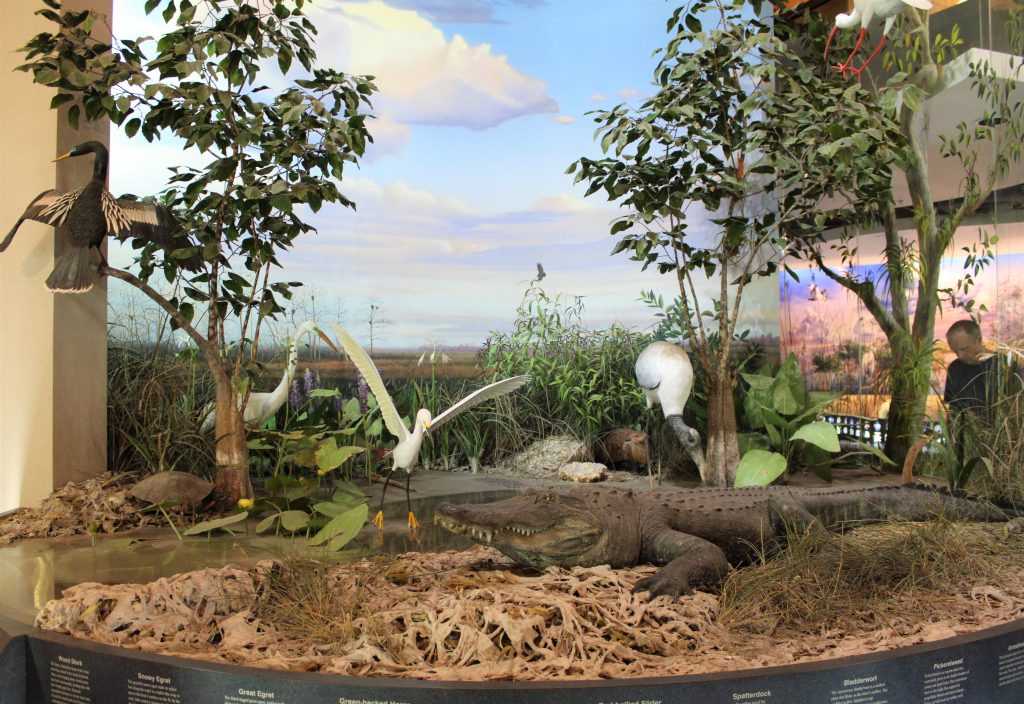
As in many other national parks, your first stop should be the visitor center. I recommend starting with the Ernest F. Coe Visitor Center. There you’ll find some great interactive exhibits as well as a gift shop. It’s also the perfect place to inquire about wildlife sightings. The park rangers who survey the park daily may have insights on where you’re most likely to catch a glimpse of baby alligators or manatees.
Anhinga Trail
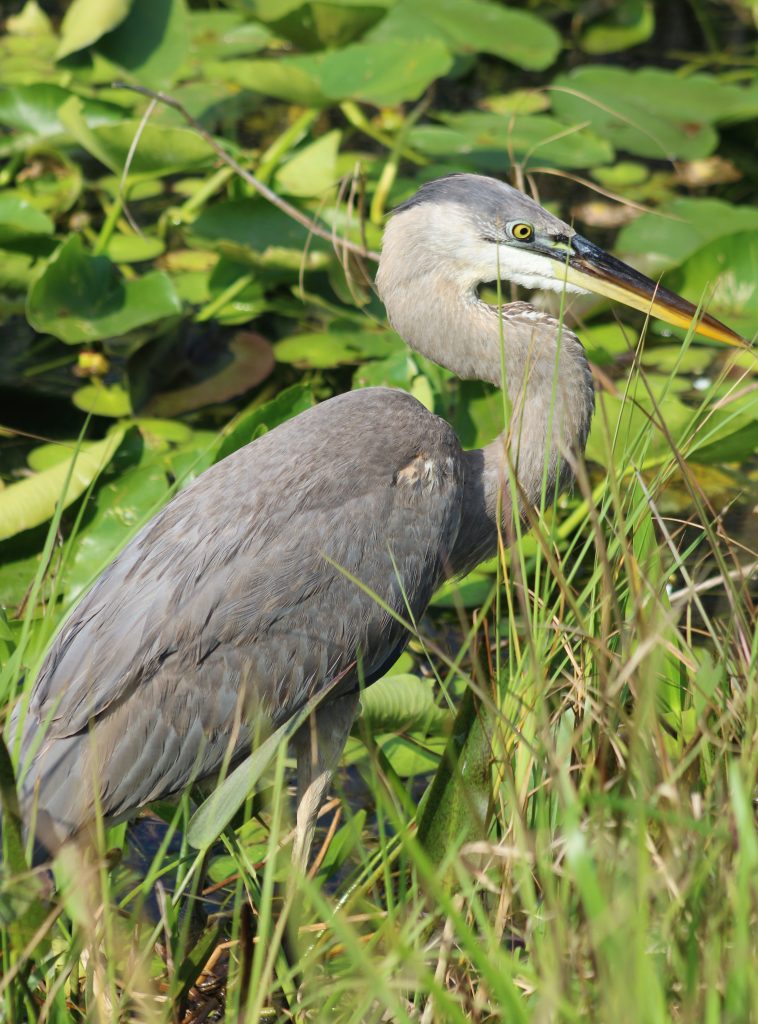
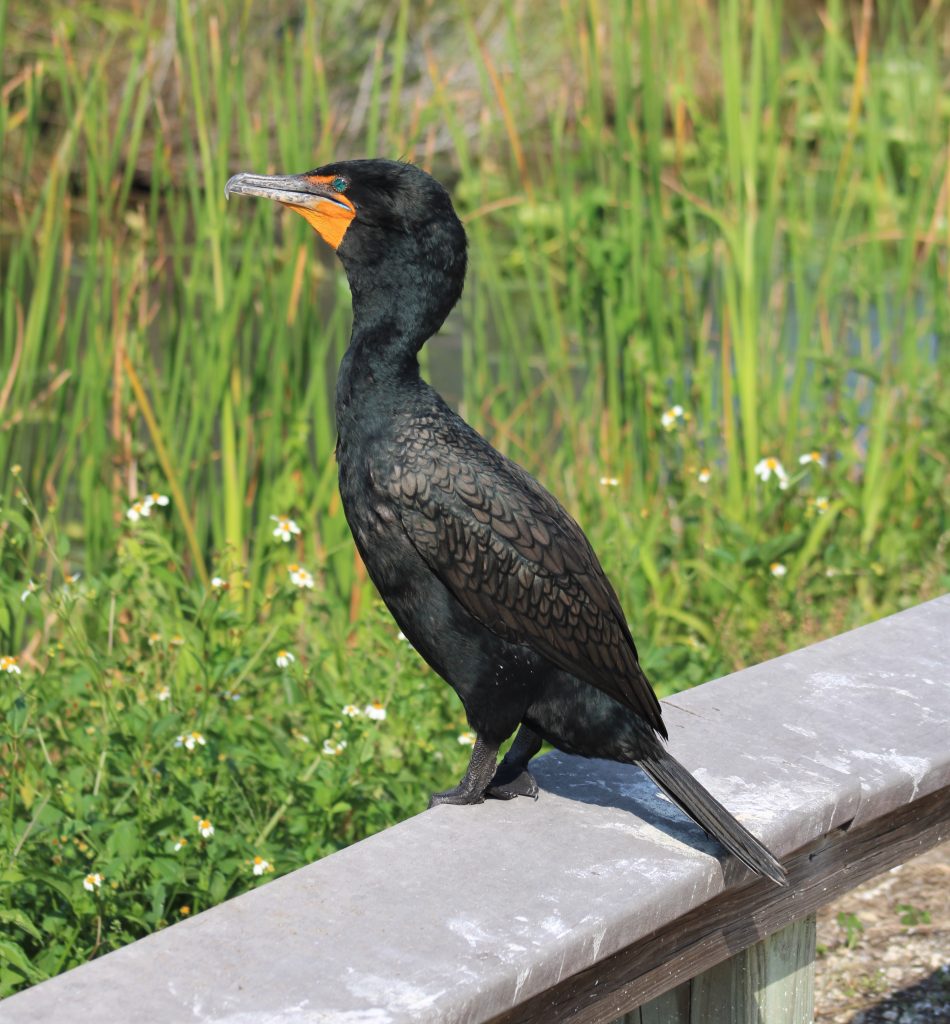

The Anhinga Trail is the #1 location to view wildlife in the park. The park rangers recommended we spend as much time as possible there during our visit. So, if you have limited time in the park, this is where you need to go. The trail is only 0.8 miles long and ADA compliant. We spent over an hour at Anhinga and saw lots of anhingas, turtles, herons, alligators, fish… Apart from seeing the manatees at Flamingo, it was definitely the highlight of our visit.
Pinelands
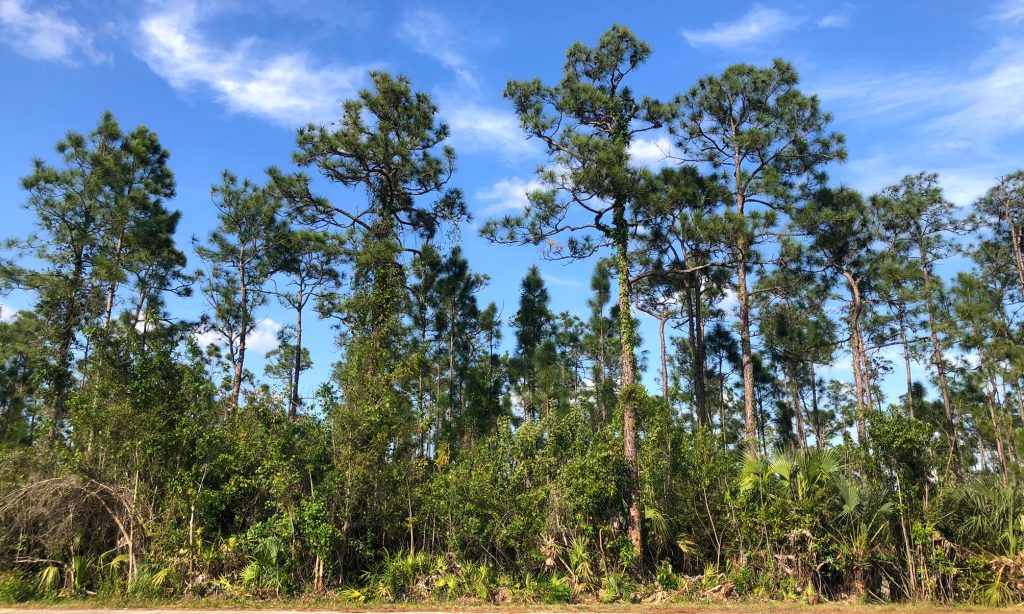
Everglades National Park is home to a variety of ecosystems including the Pinelands. These green giants tower over the low lush tropical plants native to South Florida. As you make your way down Main Park Rd in Everglades National Park, make sure to glance at the map to identify the various vegetation throughout the park.
Pa-hay-okee Overlook
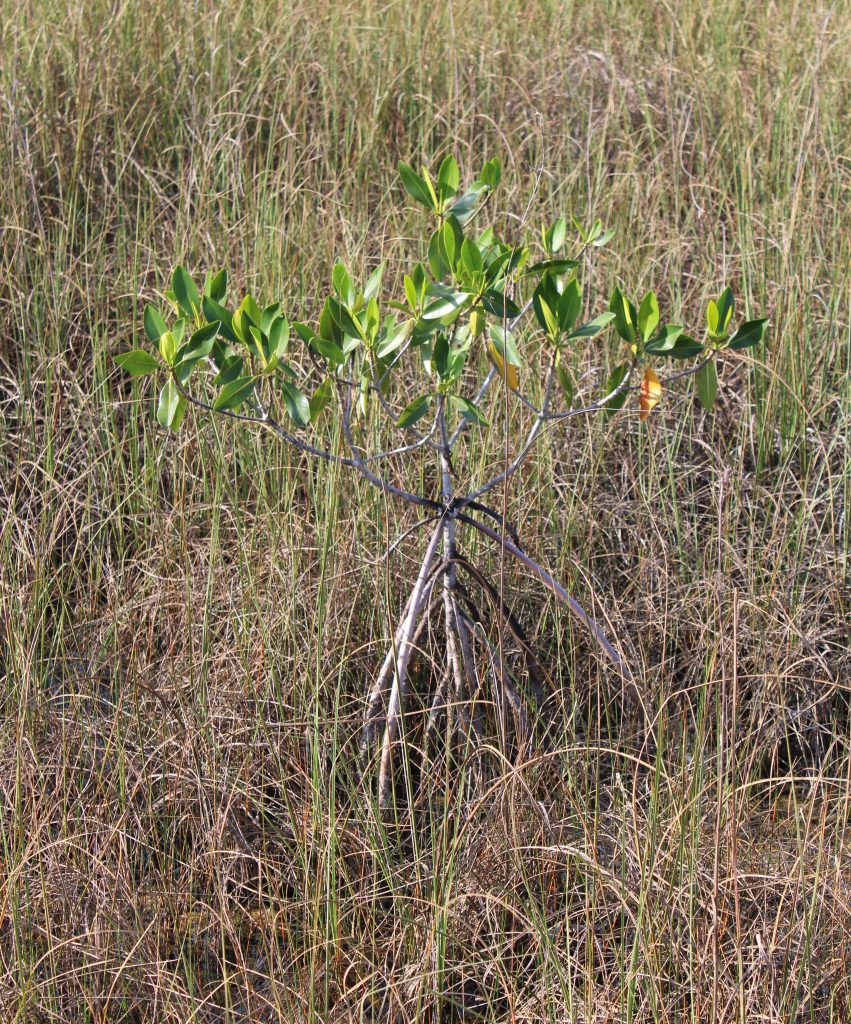
The Pa-Hay-Okee Overlook is a 0.16 mi (260m) walk to a raised overlook with views of the river of grass. We felt quite underwhelmed especially since we had just left the Anhinga Trail, but it was such a short stop, so we decided to spend an extra 5 minutes checking it out.
Mahogany Hammock
Mohagony Hammock is a wheelchair-accessible 0.5 mi/ 800 m boardwalk featuring a hardwood hammock and the oldest mohagony tree in the United States. The Mohagony parking lot is also an excellent location to spot the International Space Station.
WHAT IS A HAMMOCK?
A hardwood hammock is a dense stand of broad-leafed trees that grow on a natural rise of only a few inches in elevation. Hammocks can be found nestled in most all other Everglades ecosystems. In the deeper sloughs and marshes, the seasonal flow of water helps give these hammocks a distinct aerial teardrop shape. (SOURCE: NPS)
Coastal Marsh
One of the best things to do in Everglades National Park is to explore its waterways. There are dozens of miles of paddle and canoe trails in the coastal marsh of the Everglades located right before Flamingo. For more information on canoe, kayak, and paddle trails, rentals, and tours, click here.
Flamingo


Flamingo is hands down the best area to see the manatees. We also spotted an alligator and a hawk’s nest while waiting on the manatees to show up. If you can’t see the manatees, don’t hesitate to ask around. Flamingo is where many of the boat tour depart from, so there is likely to be local crew members that can indicate the best area for sightings. After 30 minutes of patient stepping back and forth on the pontoons, we saw two manatees peacefully swimming through the murky waters of flamingo. Because the water is not clear, you will have to wait until the manatees rise to the surface to see them. We began to notice slight ripples in the water and followed them for a while until the manatee came up to the side of the pontoon to munch on some vegetation.
Shark Valley Observation Tower
If you have time, consider heading to the Shark Valley Observation Tower. The Shark Valley Visitor Center is located over 50 miles miles from Royal Palm and almost 90 miles from Flamingo. It will take well over an hour to reach the north entrance, so plan accordingly. Shark Valley offers tram tours to the Shark Valley Observation Tower. This 45ft observation deck features far-reaching views of the Florida Everglades.


Leave a Reply